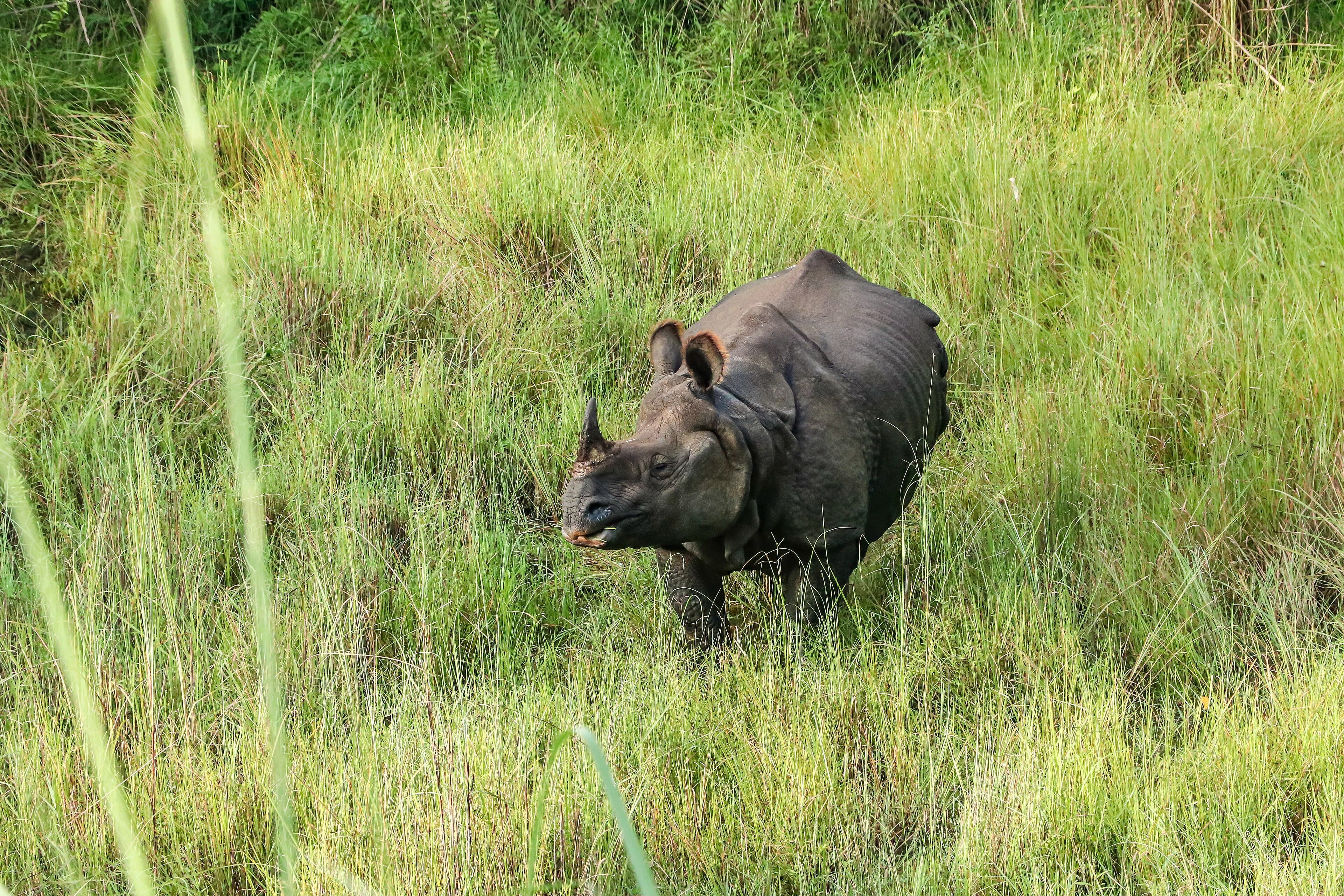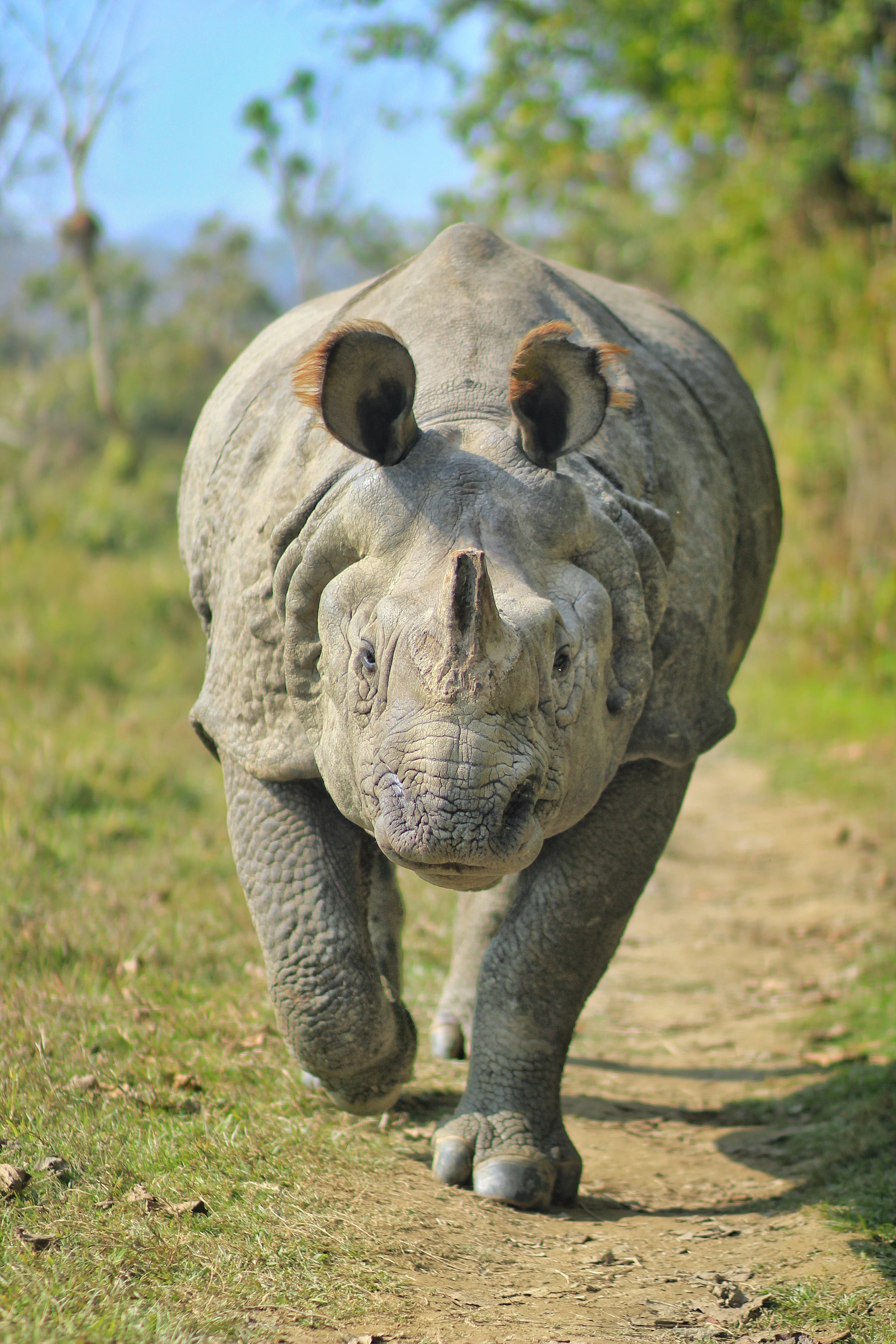
A one-horned rhinoceros, the emblem of Chitwan's conservation storyPhoto: Lurey Rohit · CC BY-SA 4.0

Home / Conservation

Pulled Back From the Brink

Conservation

How Nepal's first national park became a model for saving species — and the threats that endure.

The Rhino Recovery

From 95 animals to around 600

The decline of the rhino was the catalyst for the entire park. Its recovery is one of South Asia's great conservation stories.

~800
Rhinos in 1950
95
By the late 1960s
~600
In Chitwan today
1986
Translocations began

The dramatic decline of the rhino — and rampant poaching — prompted the government to form the Gaida Gasti, an armed rhino patrol, and ultimately to establish the park in 1973. Strengthened management, sustained Nepal Army patrols and community engagement have allowed the population to rebound.

To reduce the risk that disease or disaster could wipe out a single population, rhinos have been translocated from Chitwan to Bardia and Shuklaphanta national parks since 1986. Chitwan remains the stronghold of the species in Nepal.

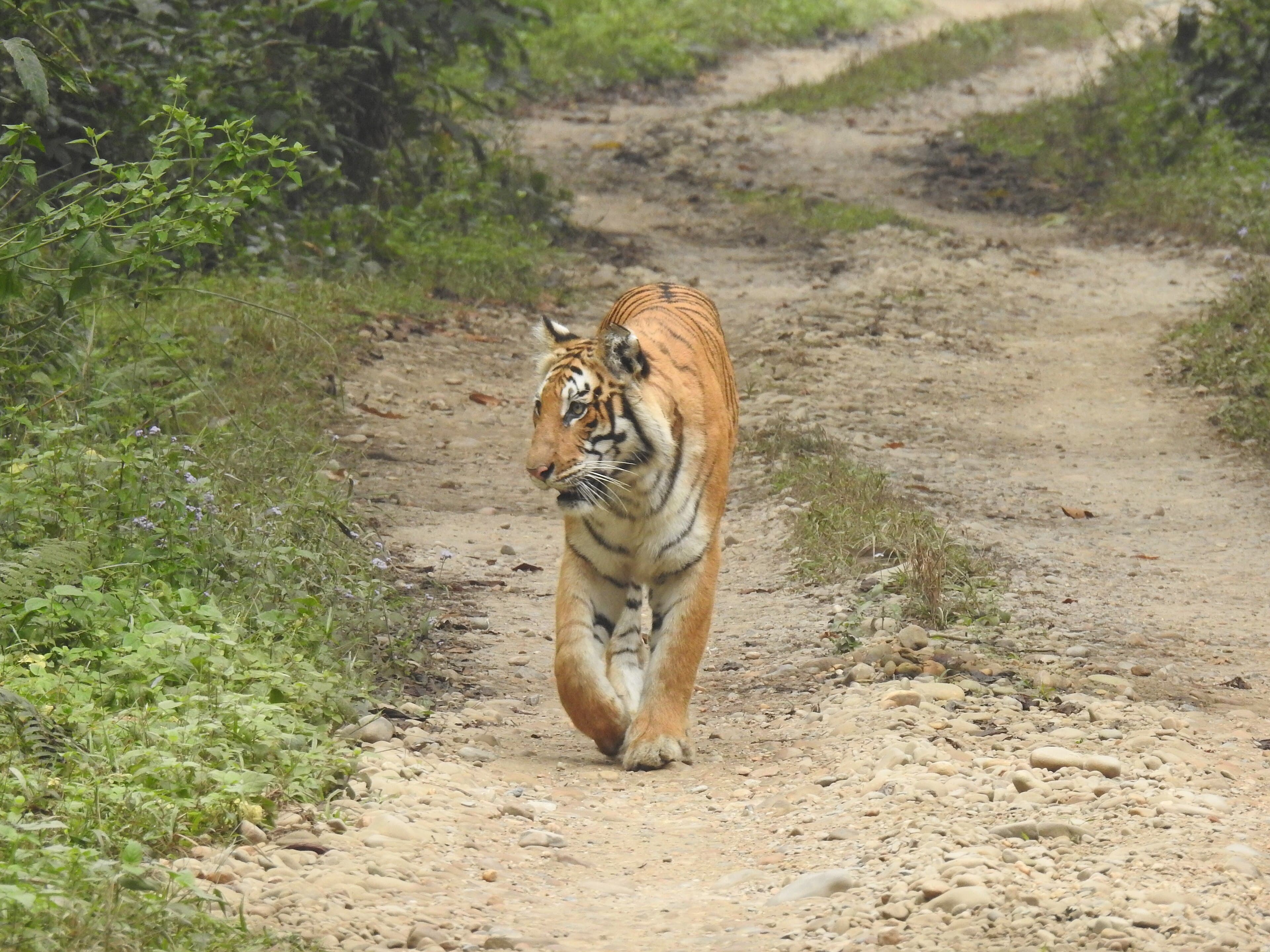
A tiger in Chitwan — a species under pressure from poachingPhoto: Drashwingiri · CC BY-SA 4.0

The Threat That Remains

Poaching & pressure

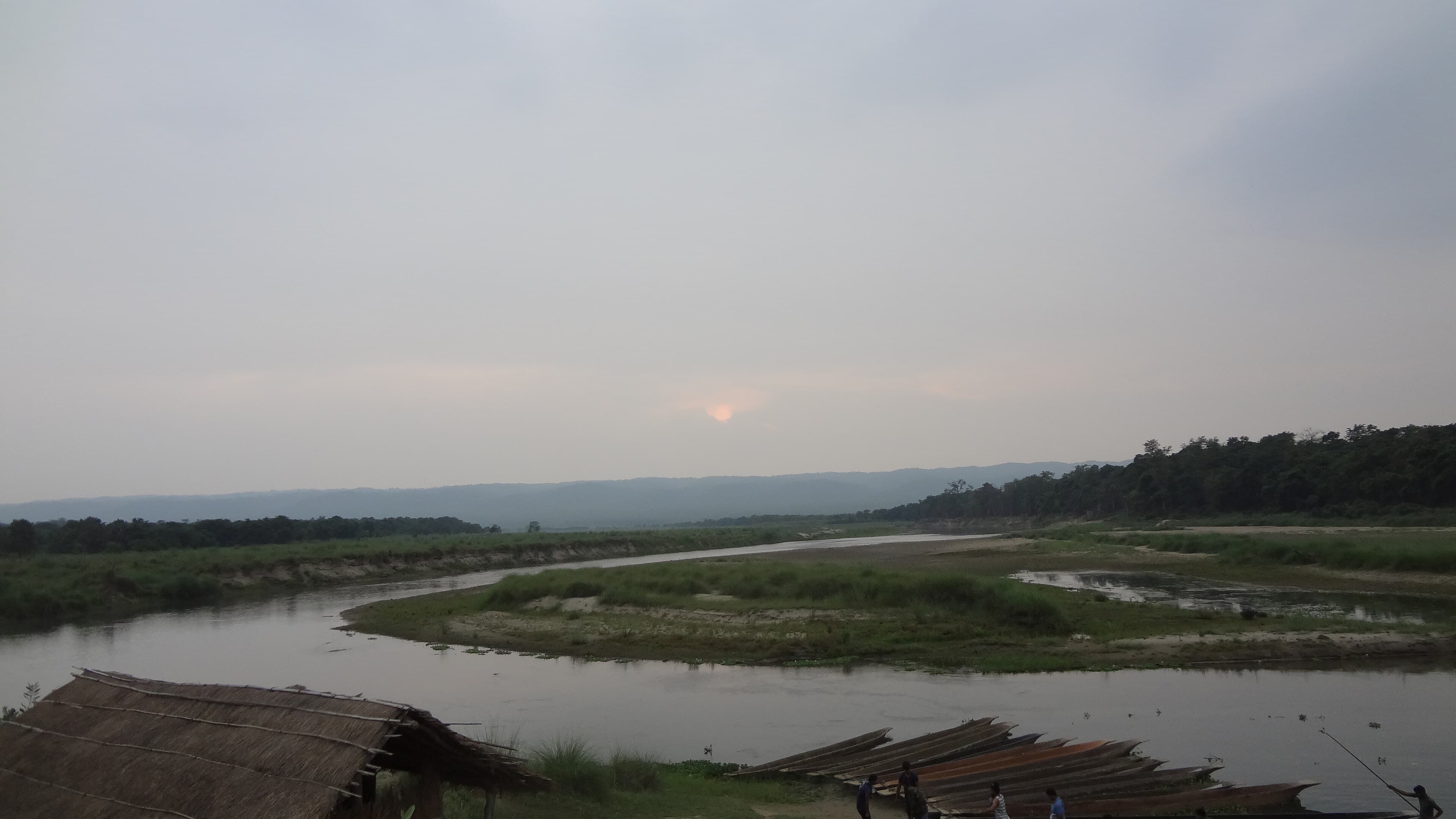
The rhino population has repeatedly been jeopardised by poaching for horn, and political instability between 1996 and 2006 saw patrols weaken and poaching rise before the peace accord restored protection. Human–wildlife conflict in the buffer zone, habitat change along the shifting Rapti River, and infrastructure pressure remain ongoing challenges.
Active Programmes

Breeding, patrols & translocation

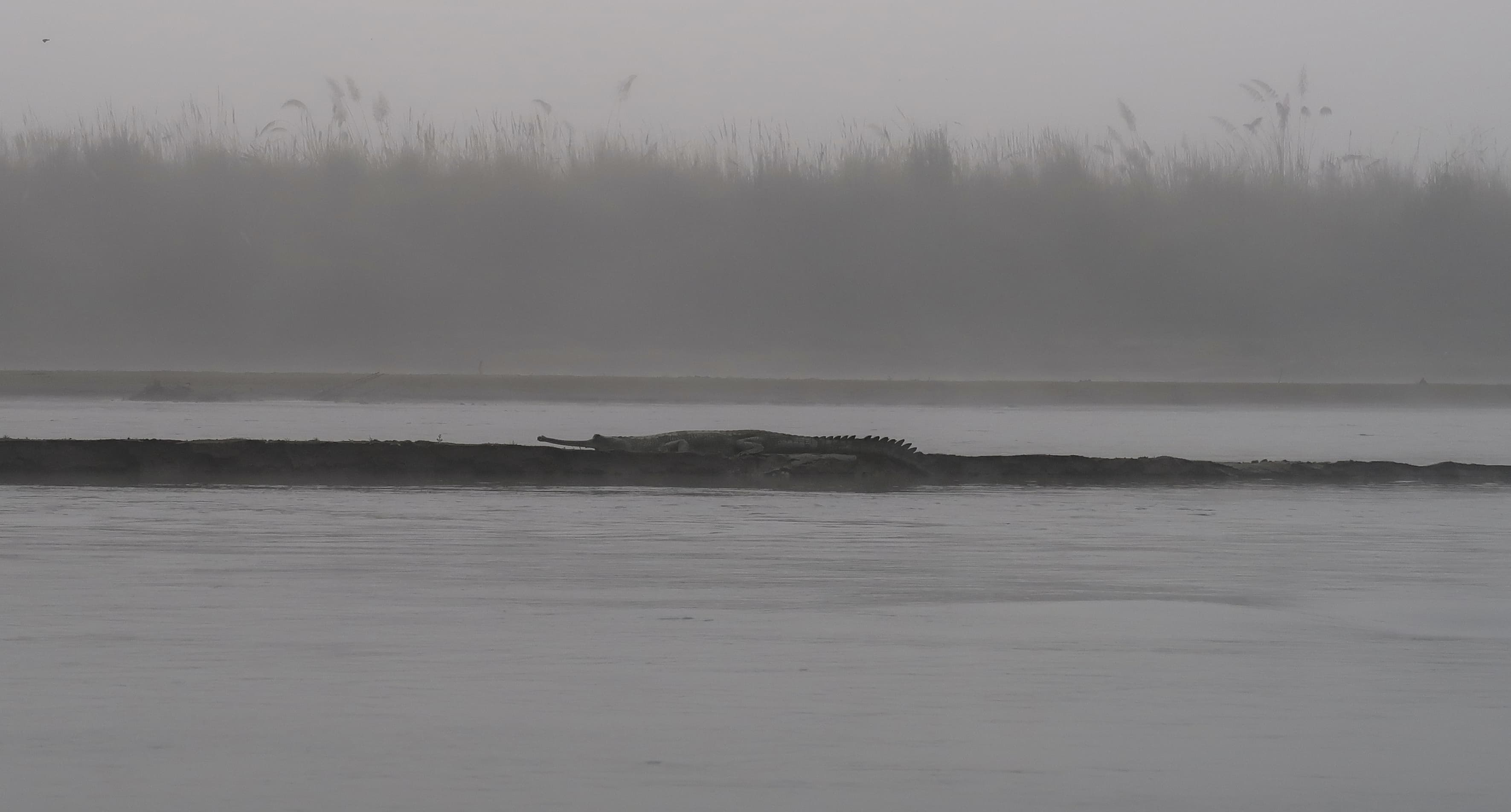
A gharial reared at the Kasara breeding centrePhoto: Rucksackschule-dresden · CC BY-SA 4.0

Gharial Breeding Centre

Eggs are collected from the rivers and hatched at Kasara, where young gharials are reared before being reintroduced to the Narayani–Rapti system.

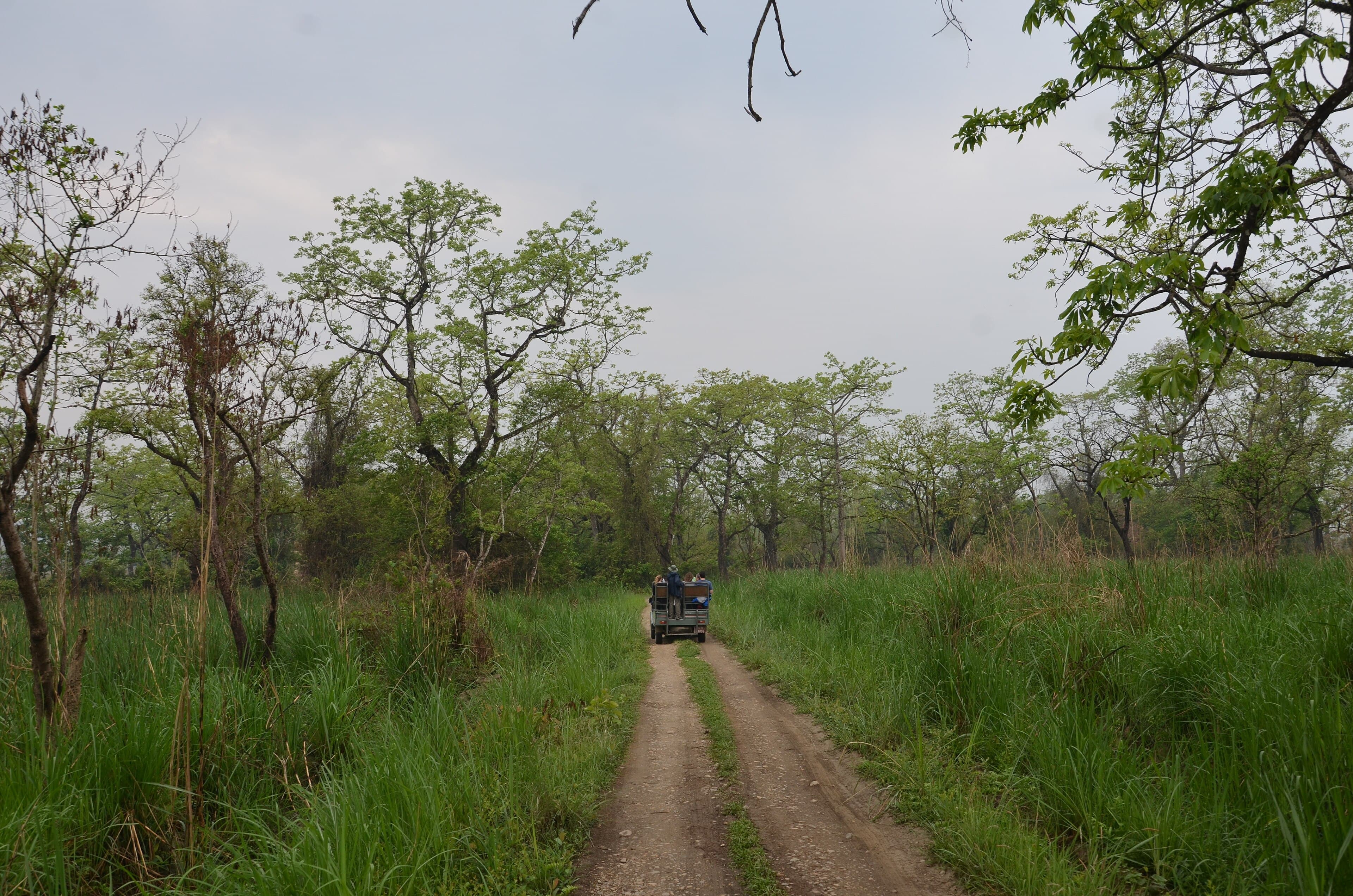
Patrol vehicle on a park trackPhoto: Pratap Baniya · CC BY-SA 4.0

Anti-poaching patrols

The Nepal Army and park staff operate a network of guard posts and patrol roads that have been central to curbing poaching.

A rhino in grasslandPhoto: Shadow Ayush · CC BY-SA 4.0

Rhino translocation

Since 1986, rhinos have been moved to Bardia and Shuklaphanta to establish insurance populations across Nepal.

The wider Terai landscape that links protected areasPhoto: Nihaal Moktan · CC BY-SA 4.0

Landscape Connectivity

A transboundary tiger landscape

Chitwan does not stand alone. With Parsa National Park to the east and India's Valmiki National Park to the south, it forms the Chitwan–Parsa–Valmiki Tiger Conservation Unit — a 3,549 km² block of grassland and forest that lets wildlife move freely across boundaries, vital for long-term genetic health.

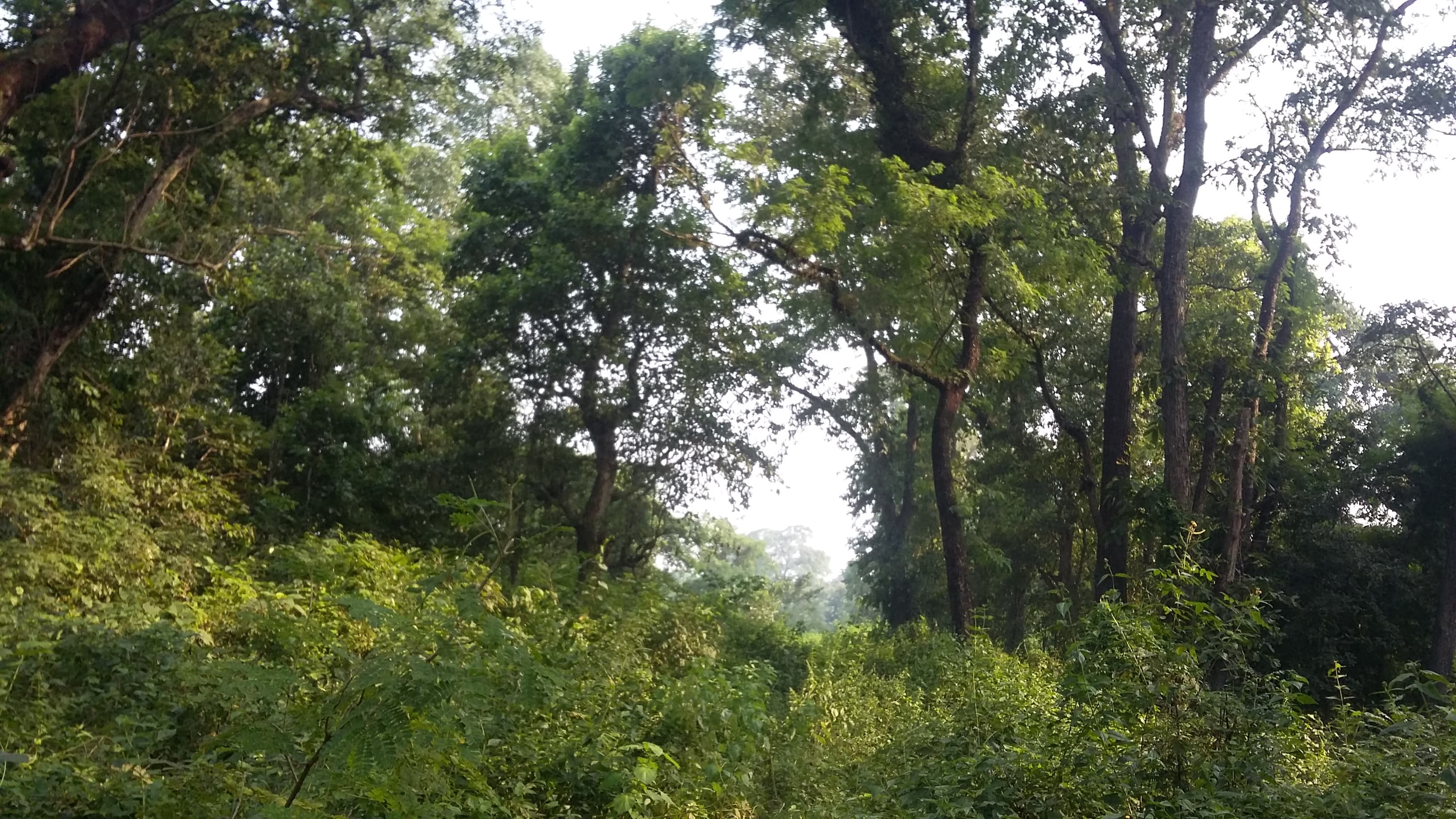
The Chitwan jungle

Conservation you can witness

Responsible tourism helps sustain the park. Plan a respectful visit.